

L’artigiano Florence · Customization guide
Your shoes.
Your combination.
Upper, lining, sole and laces. Choose materials, colours and details to give your handcrafted L’artigiano Florence shoes a personal touch.
Start with the upper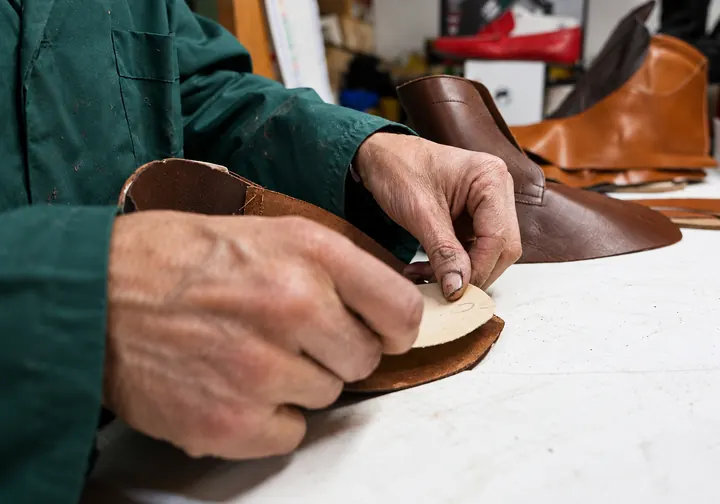
Choose your upper.
Define its character.
The upper part of the shoe can be customized in colour and material. Start with your favourite model and choose leather or suede.
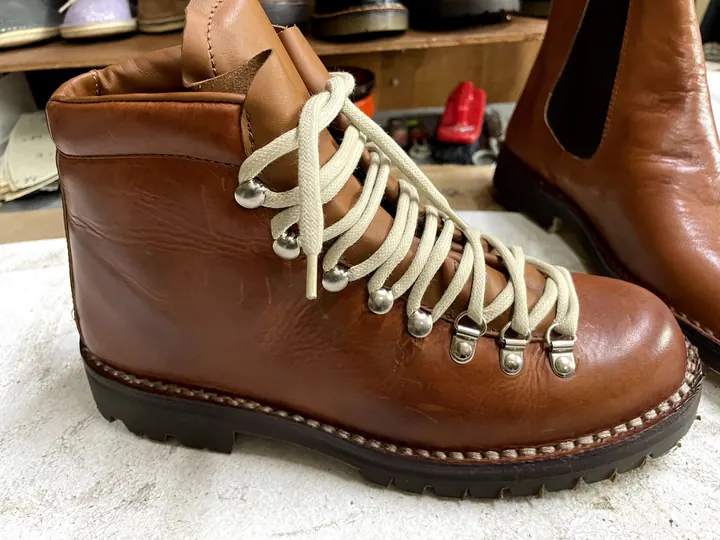
Leather
A smooth surface and a palette ranging from natural tones to richer colours. Choose a colour from the sample chart and ask which leather is suitable for your model.
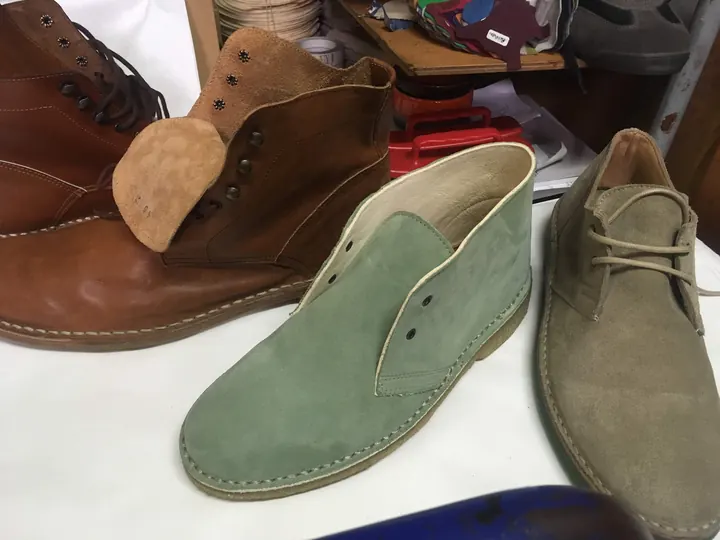
Suede
A soft-looking, matt surface. The samples and examples include green, taupe, blue and yellow tones: the same shape takes on a different character with each colour.
Open the leather colour chart
These names help identify your request; availability must be confirmed.
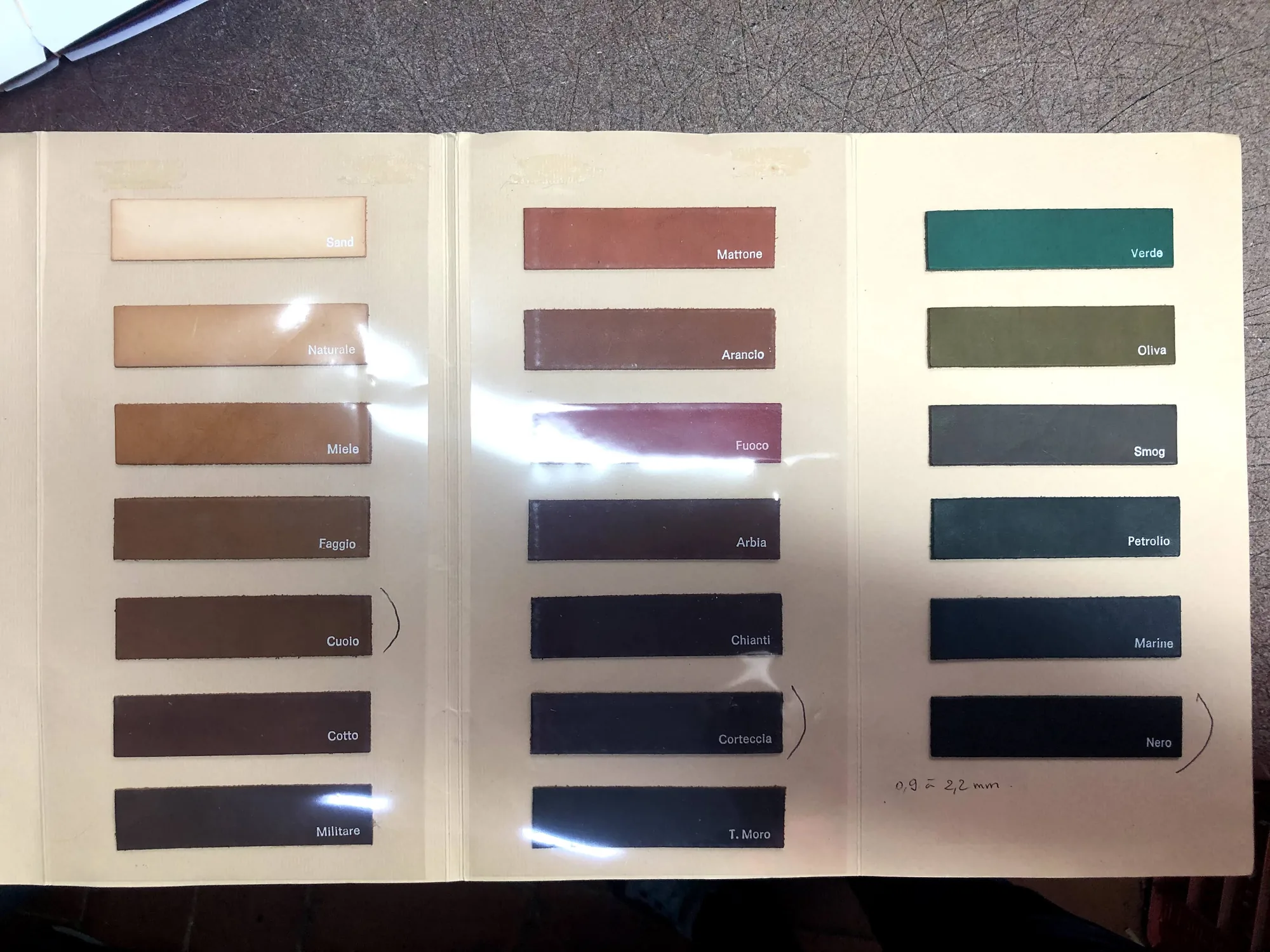
The photo is a guide. Lighting, screens and the material itself can affect colour perception. Always specify the sample name and the upper material you would like.
Choose your lining.
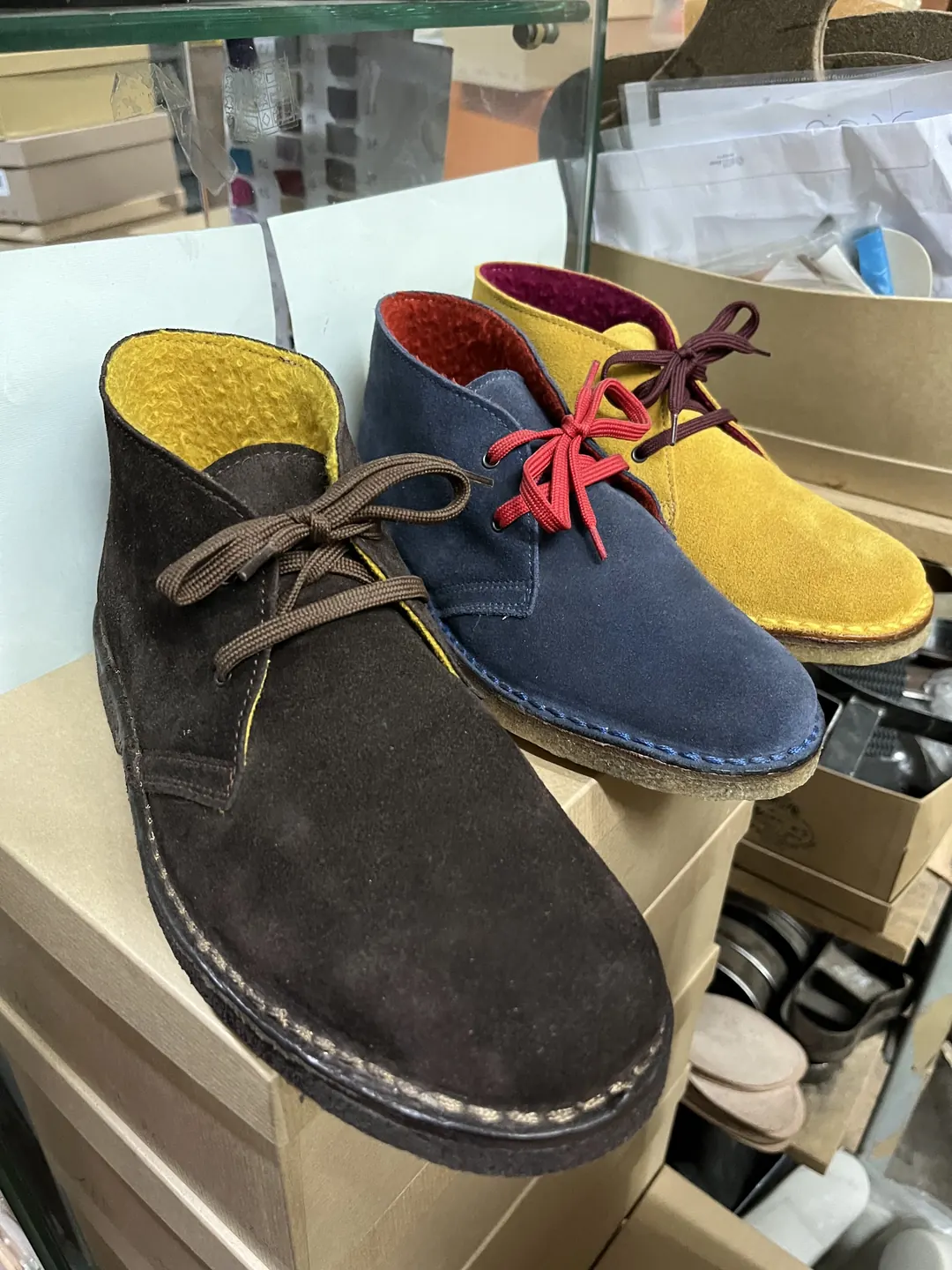
Unlined, winter linings or Casentino cloth: choose how to finish the inside of your shoe and check the options for your preferred model.
Unlined
An unlined model has no added lining inside. Specify this preference along with the upper material and colour.
Winter linings
Three materials available to complete the inside of your shoes.
Calfskin
A calfskin lining for those who prefer a leather interior, paired with their chosen upper.
Lambskin
A lambskin lining for a soft, cosy interior designed for the colder season.
100% wool fabric
An interior in 100% wool fabric to complete your winter combination.


Specify the lining material in your request and check compatibility with your chosen model.
Casentino cloth
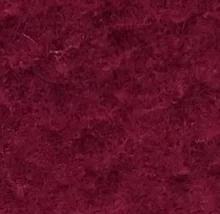
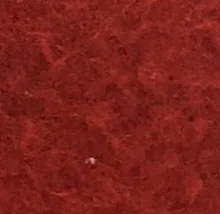
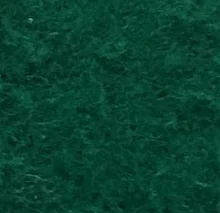
The Tuscan cloth’s curly surface brings colour inside the shoe too. The photo shows examples of this lining; the colour swatches below help you choose your shade.
Explore the cloth and colours ↓Casentino cloth,
take a closer look.
A curly surface, rich colours and a texture distinct from smooth leather and suede.
Traditional Tuscan cloth with a curly surface, available as a lining in several colours.
Learn more about Casentino clothHide details
The character of the “curl”
Casentino cloth belongs to the wool-making tradition of the Tuscan valley that gives it its name. Its small curls are created by rattinatura, a finishing process that works the fabric’s nap to give it its distinctive appearance.
Further reading: Museo dell’Arte della Lana di Stia.
Wool processing and fibre compaction create a dense, sturdy cloth, traditionally used for warm clothing. Today, brighter shades join the traditional colours, giving even a simple design a different character.
Material reference: Casentino Lane, history and cloth production.
For a Casentino cloth lining, choose a sample colour and check availability for your model. The cloth’s general properties do not constitute thermal or waterproof certification for the complete shoe.
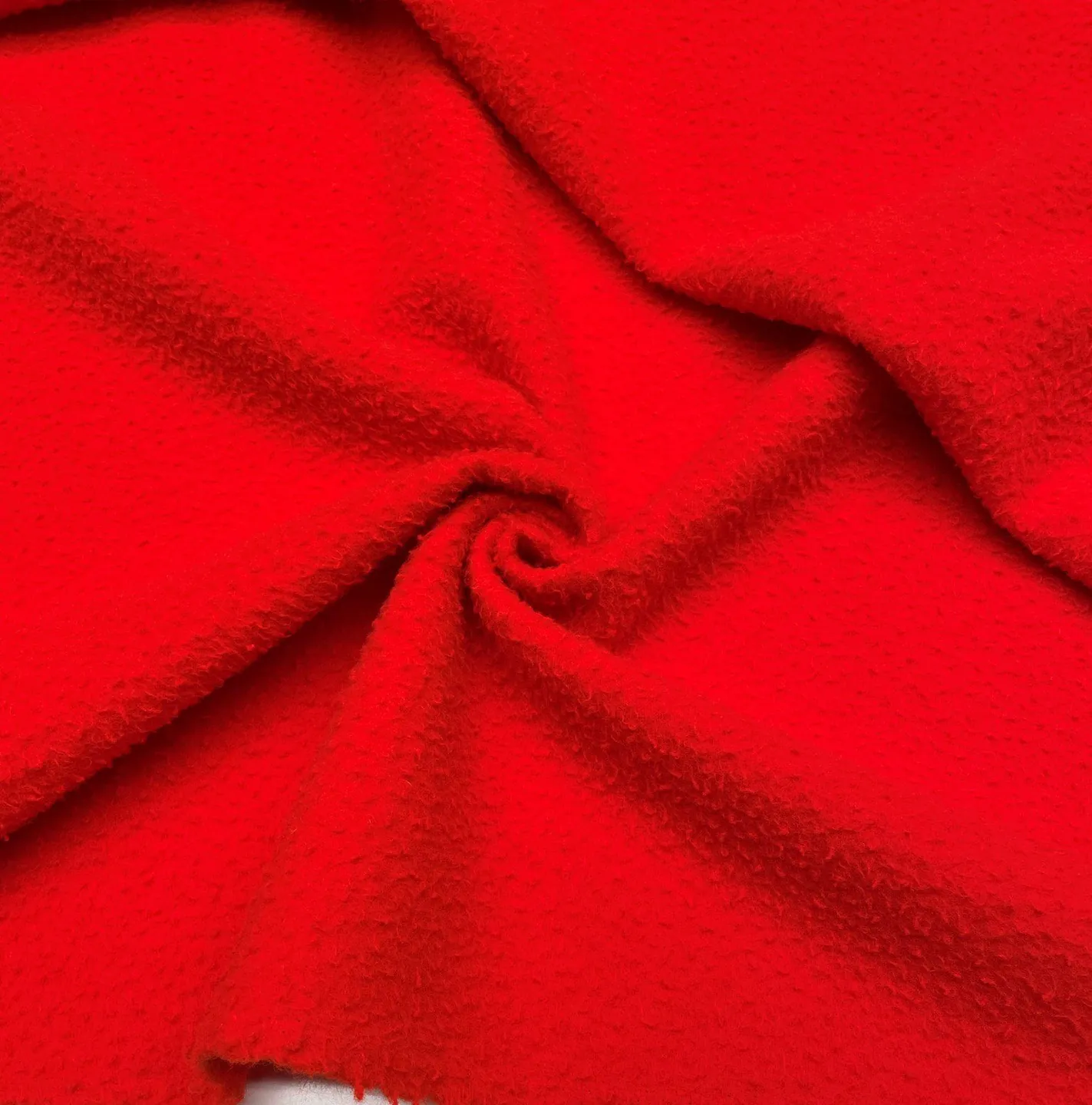
Source: GoValley.
Show Casentino cloth coloursHide Casentino cloth colours
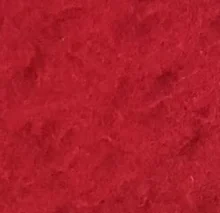
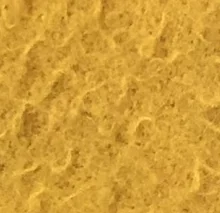

Matching laces
or a contrast.
The lace colour can be customized too. Match the upper for a harmonious look or add a bold contrast: the photos show both options.
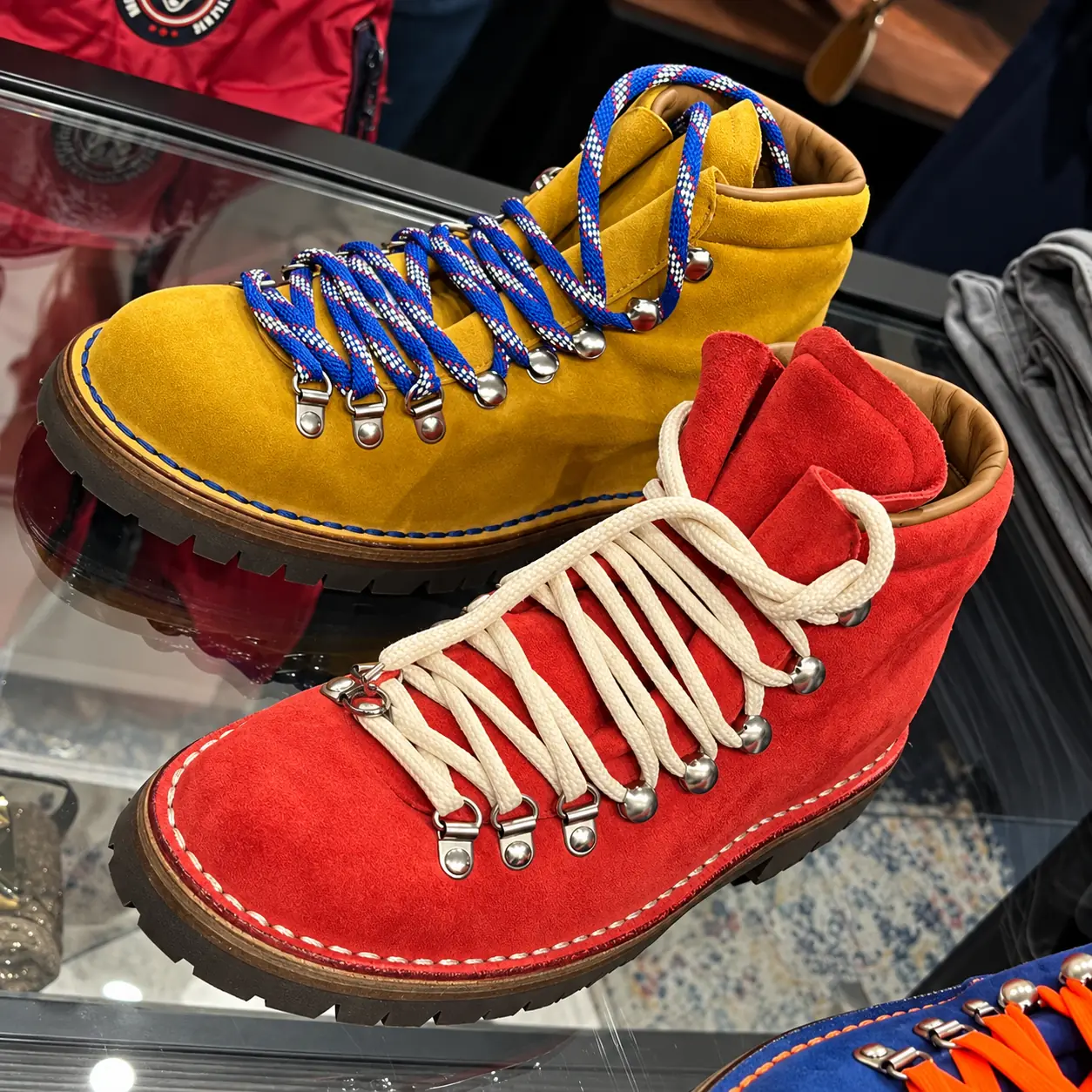
One choice, two effects
Tone on tone: brown laces on a tan leather upper, or a shade close to the suede colour, give the shoe a harmonious look.
Contrast: light laces on tan leather, red on blue or blue on a yellow upper become a distinct visual detail.
Include your lace colour in the request alongside the upper material and colour. The photos are examples: the workshop will confirm availability of each shade.
Leather, crepe rubber
and Vibram families.
The sole completes the combination. Alongside classic leather and crepe rubber options, several Vibram solutions are available, with different compound families and colours.
Leather sole
A classic choice for a traditional look. The leather sole has a clean appearance and can be paired with different upper colours and materials, subject to confirmation for the model.
Also available with a rubber sole protector. You can request an additional rubber sole protector applied over the leather sole on the ground-contact side. Specify “leather sole with rubber protector” in your customization request.
Crepe rubber
A natural rubber sole with a distinctive appearance, also shown in the workshop’s photographs. It is one of the classic alternatives to leather: specify “crepe rubber” when describing your preferred combination.
The sole choice must be checked against the model’s construction, size and upper. Illustrated combinations do not replace confirmation that the shoes can be made as requested.
Vibram: identify
your sole.
The supplied material distinguishes traditional rubber, Ecostep Recycle and N-OIL/Ecostep Natural. Each variant has a short code to use in your request. The sole images are illustrative; some are compositions. A photo’s colour alone does not identify the compound: use the code and the workshop’s confirmation for your request.
Show Vibram soles and codesHide Vibram soles and codes
How to read the code. The first part identifies the family: TR = traditional, RC = Ecostep Recycle, NO = N-OIL / Ecostep Natural. The second part refers to the colour: for example, TR-MIE means traditional honey, and NO-TER means N-OIL earth red. These are internal Artigiani del Cuoio codes: they identify the variant regardless of size and are not official Vibram article numbers.
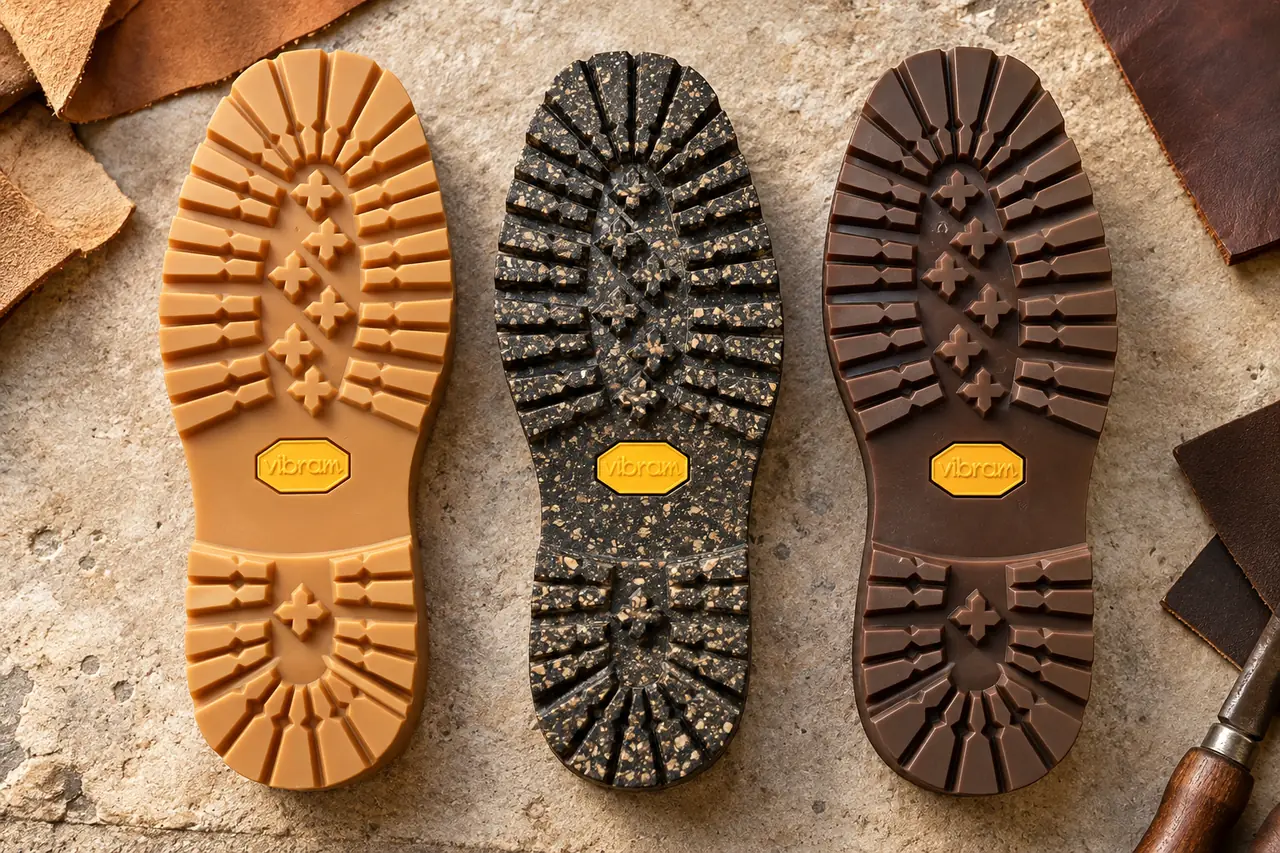
01 · Traditional, the lug sole
The pronounced lug tread gives the shoe a bold presence. This guide includes five traditional variants: honey, dark brown, black, blue and red. Performance in use also depends on the compound, surface and shoe construction.
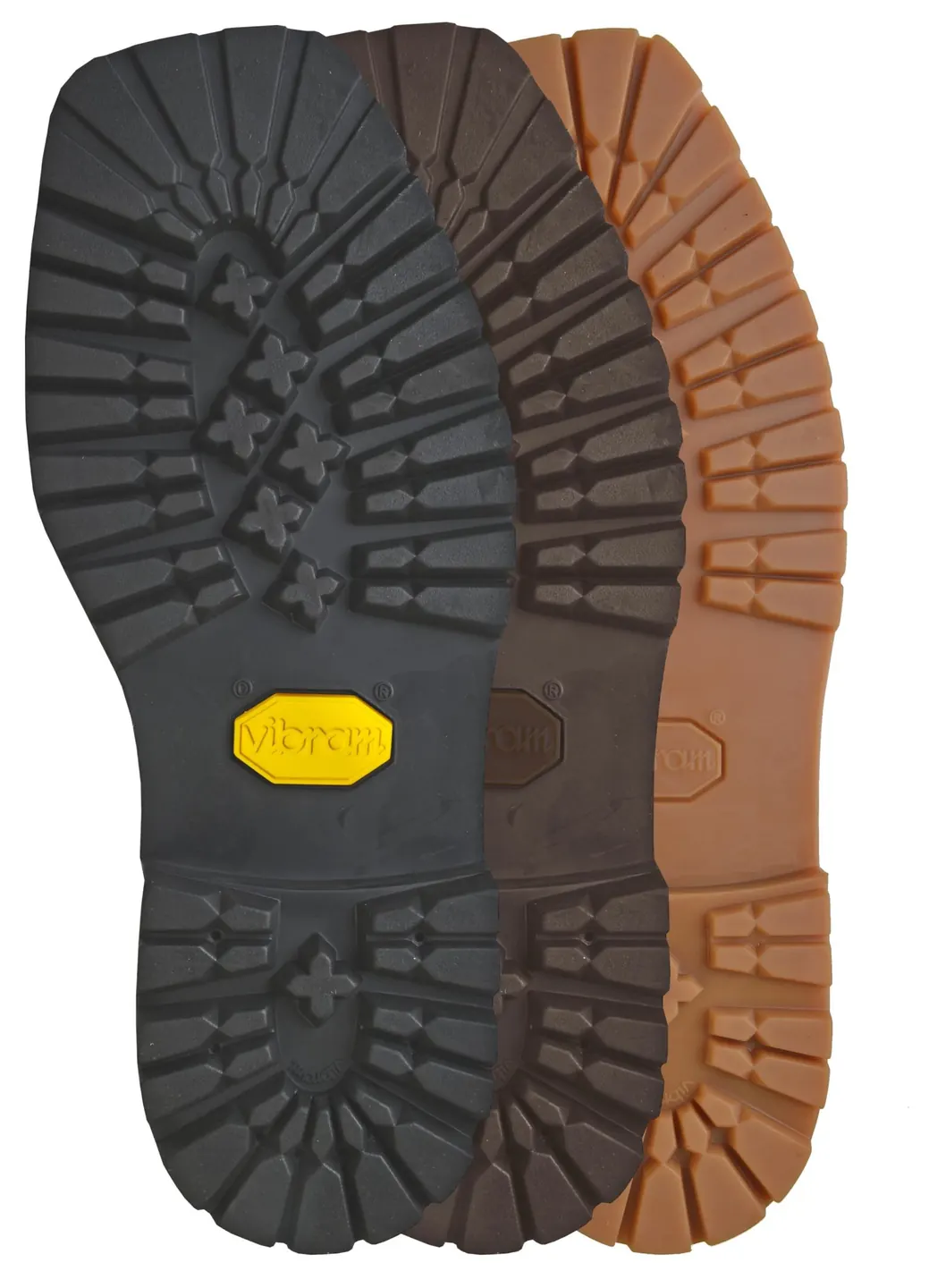
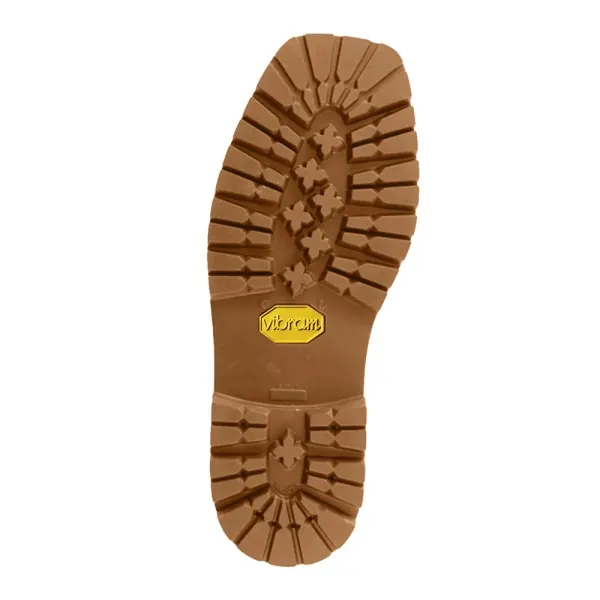
Honey
A warm shade to pair with tan, brown and natural leather tones.
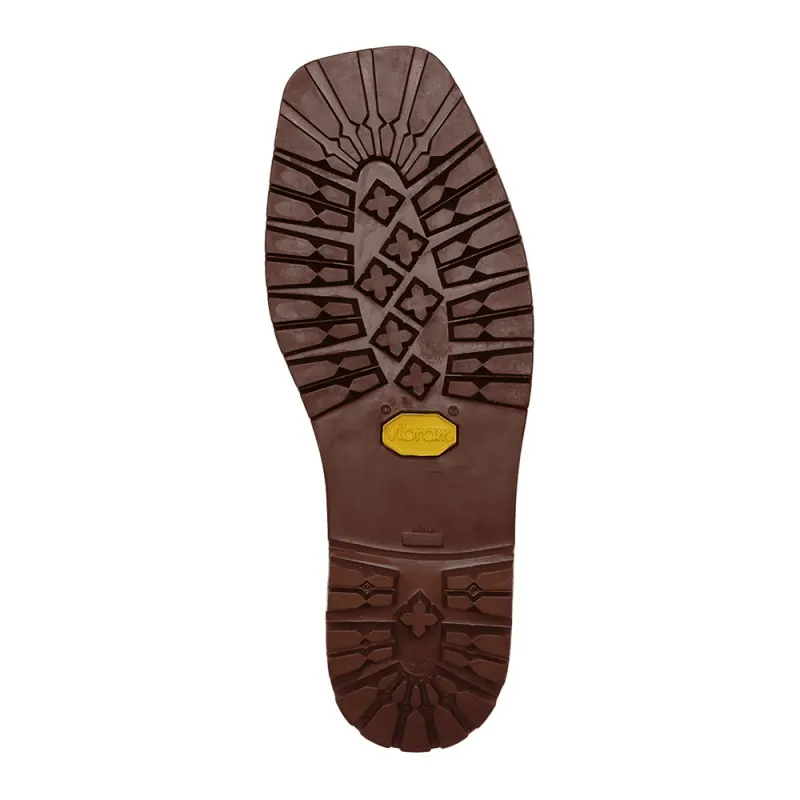
Dark brown
The dark variant described in the guide: an understated match for tan and dark brown uppers.
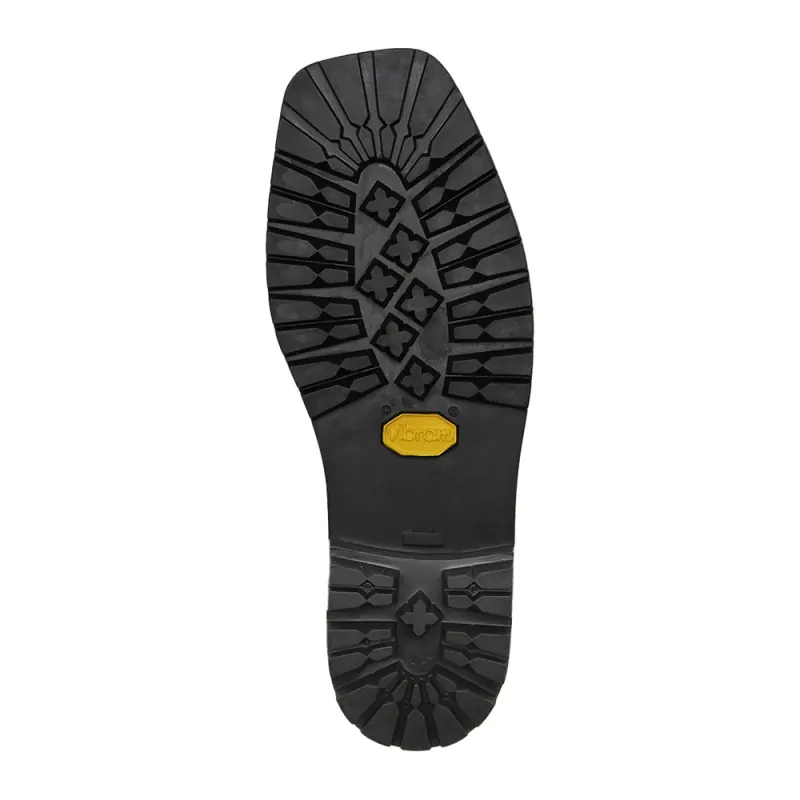
Black
The black variant listed in the guide, shown in the selected white-background photograph. Use code TR-NER in your request.
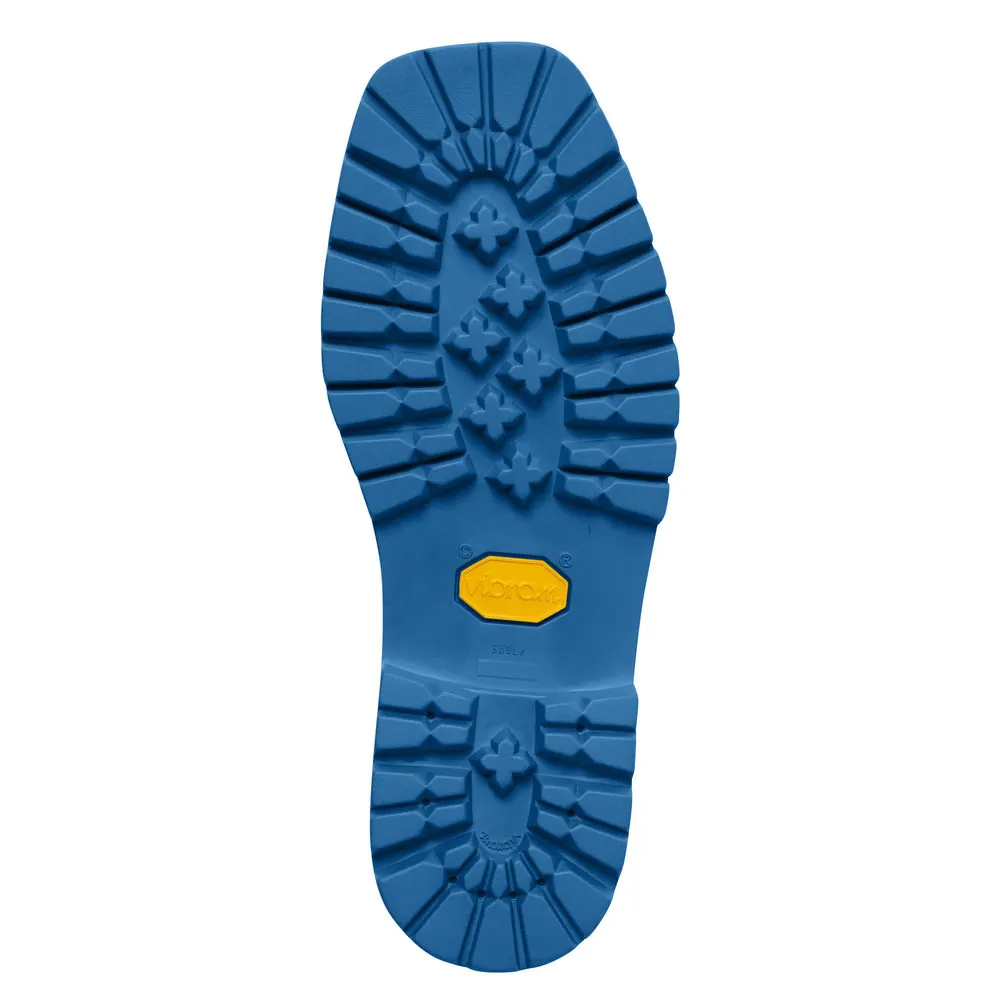
Blue
The blue variant in traditional rubber. Code TR-BLU identifies this family and colour combination.
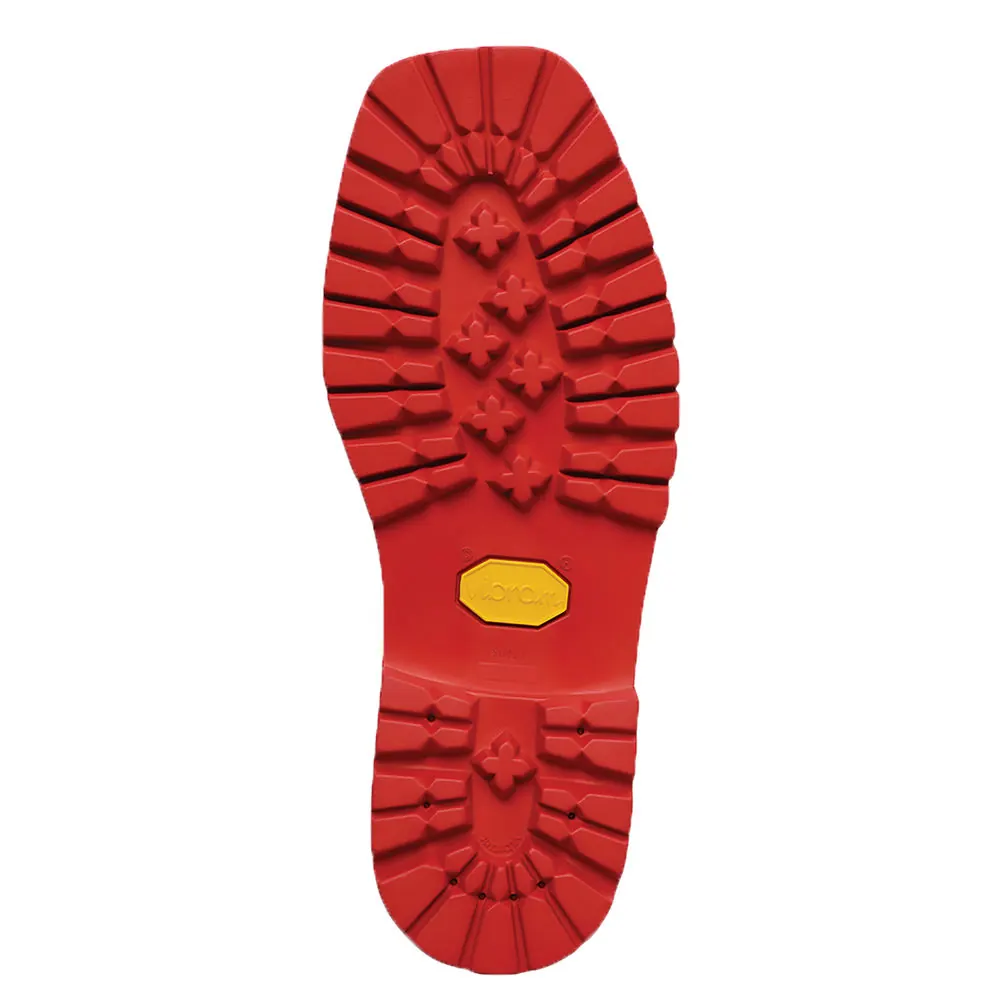
Red
The red variant in traditional rubber. Code TR-ROS identifies this family and colour combination.
02 · Ecostep Recycle, a distinctive speckled finish
This family reuses rubber from the production process. On the dedicated technical page, Vibram states at least 30% recycled Vibram rubber. The speckled finish visible in the samples adds texture, shown here in natural and black versions.
Source: Vibram, Ecostep Recycle. The EVO name is not assigned to these samples without specific confirmation.
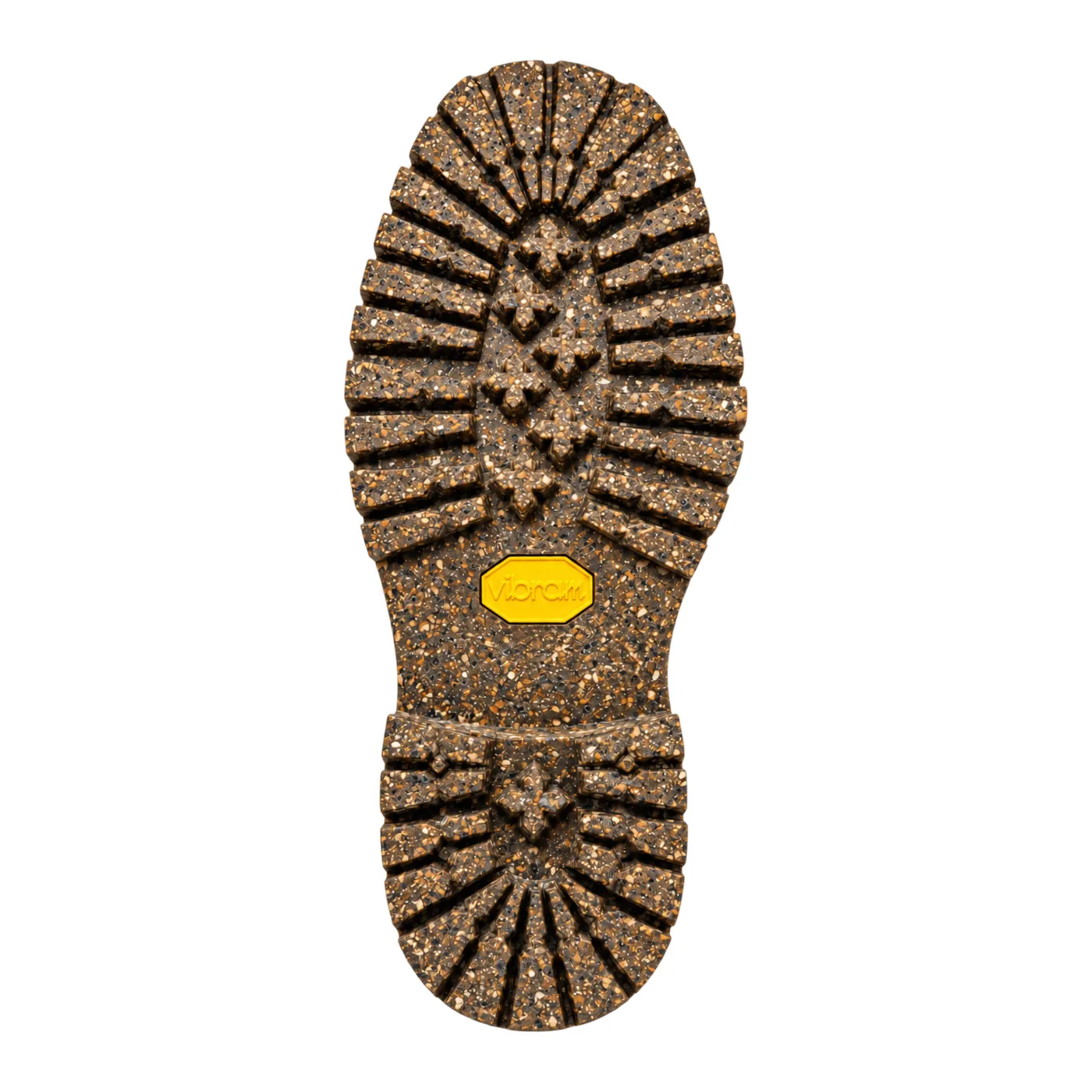
Speckled natural
A warm-toned granular finish with visible particles. It pairs with tan and brown shades.
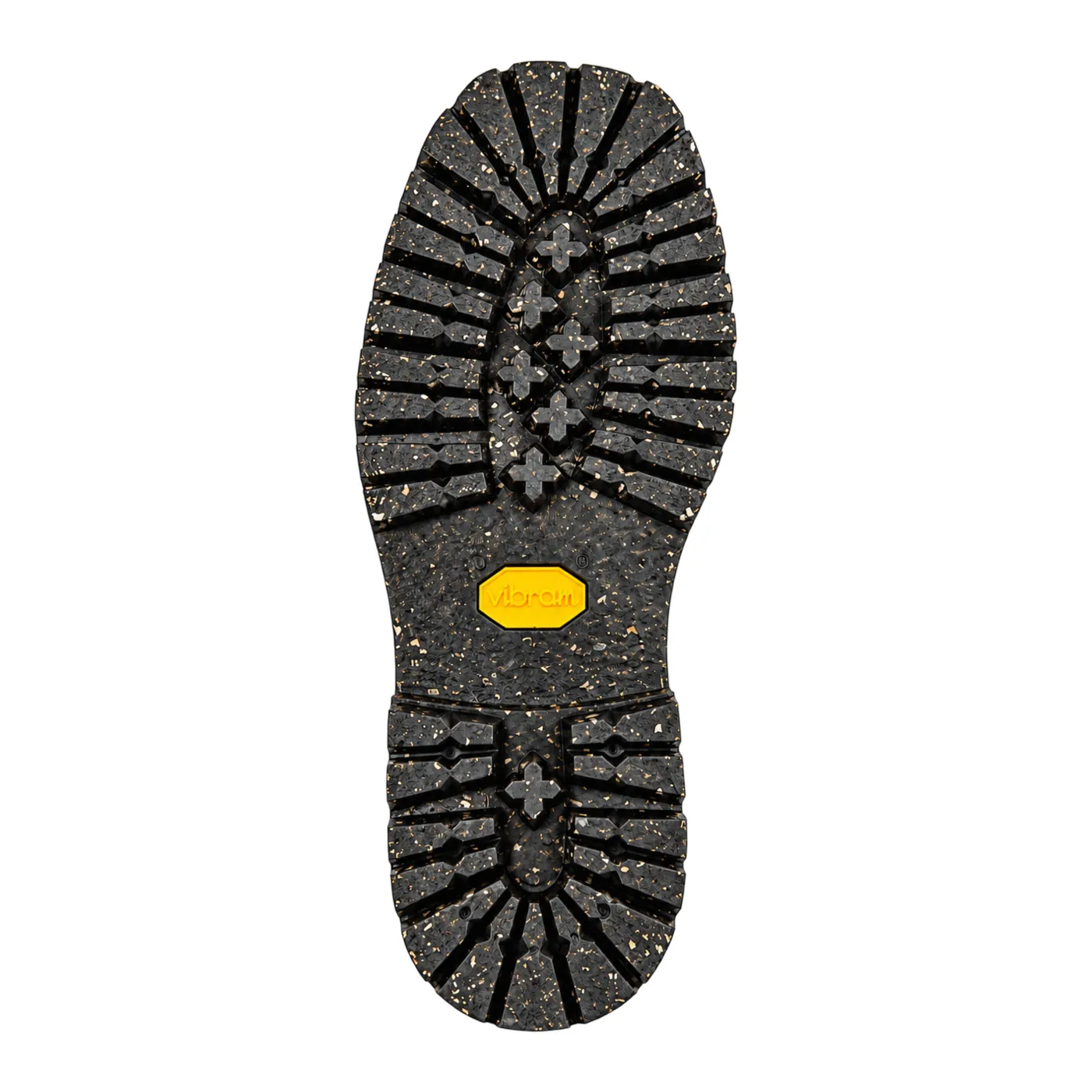
Speckled black
A black base with visible light inclusions: a textured finish for a darker combination.
03 · N-OIL / Ecostep Natural, naturally sourced ingredients
For the Ecostep Natural compound, Vibram states over 90% naturally sourced ingredients and colours made with 100% natural pigments. In the supplied material, this family is also called N-OIL: the two samples are marked 10, honey, and 17, Earth Red.
Source: Vibram, Carrarmato Ecostep Natural.
Honey 10
The honey variant identified as “NOIL 10” in the workshop’s material. Warm and bright, it works with matching or contrasting combinations.
Earth Red 17
The variant identified as “NOIL 17” in the workshop’s material. It is a deep earth red that can appear close to brown in photographs.
These percentages describe the sole compound, not the entire shoe. They do not mean “100% natural”, “biodegradable” or “zero impact”.
Vibram short code summary
| Code | Family | Variant |
|---|---|---|
| TR-MIE | Traditional | Honey |
| TR-MAR | Traditional | Dark brown |
| TR-NER | Traditional | Black |
| RC-NAT | Ecostep Recycle | Speckled natural |
| RC-NER | Ecostep Recycle | Speckled black |
| NO-MIE | N-OIL / Ecostep Natural | Honey 10 |
| NO-TER | N-OIL / Ecostep Natural | Earth Red 17 |
| TR-BLU | Traditional | Blue |
| TR-ROS | Traditional | Red |
Combinations
to start from.
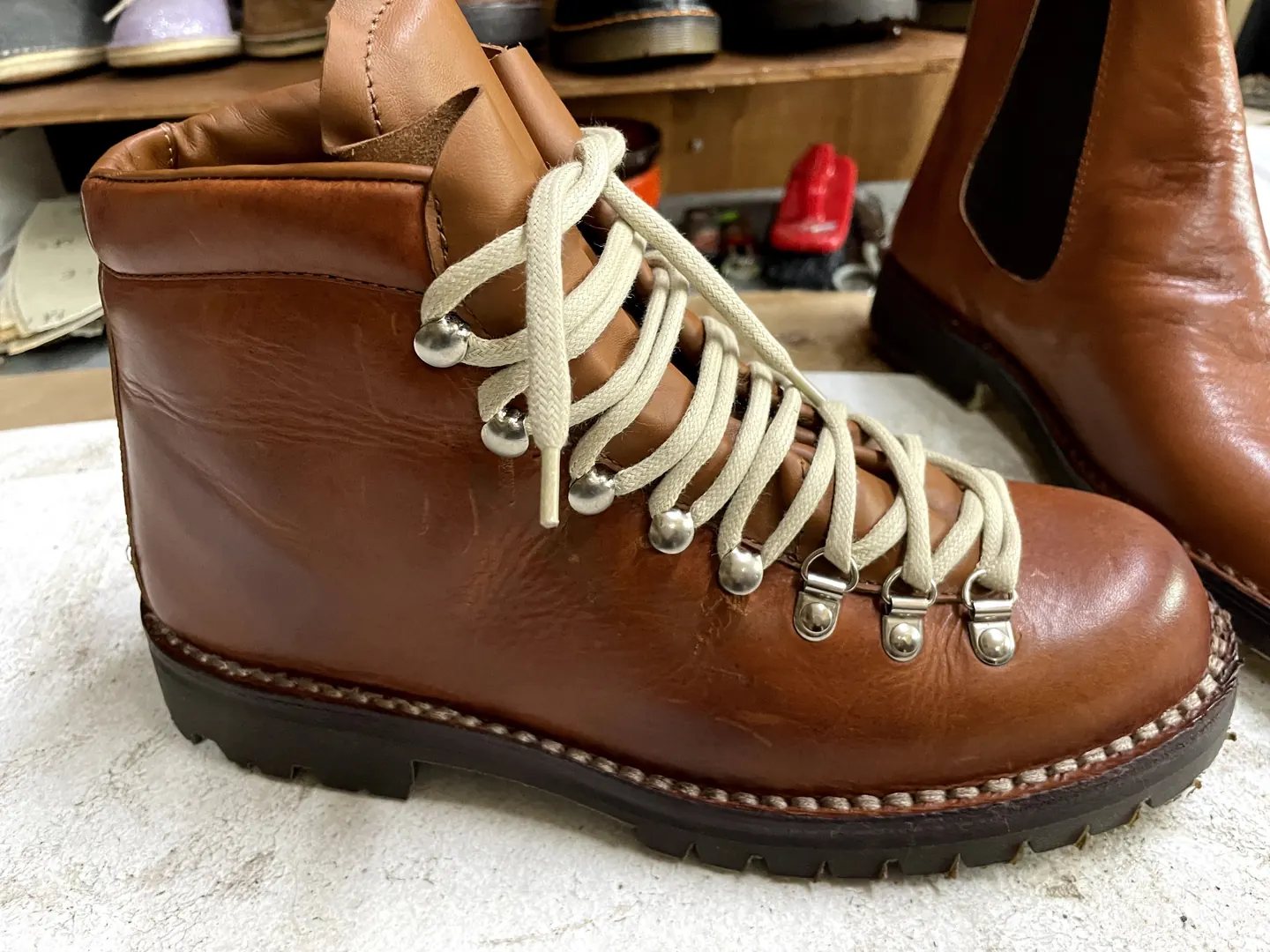
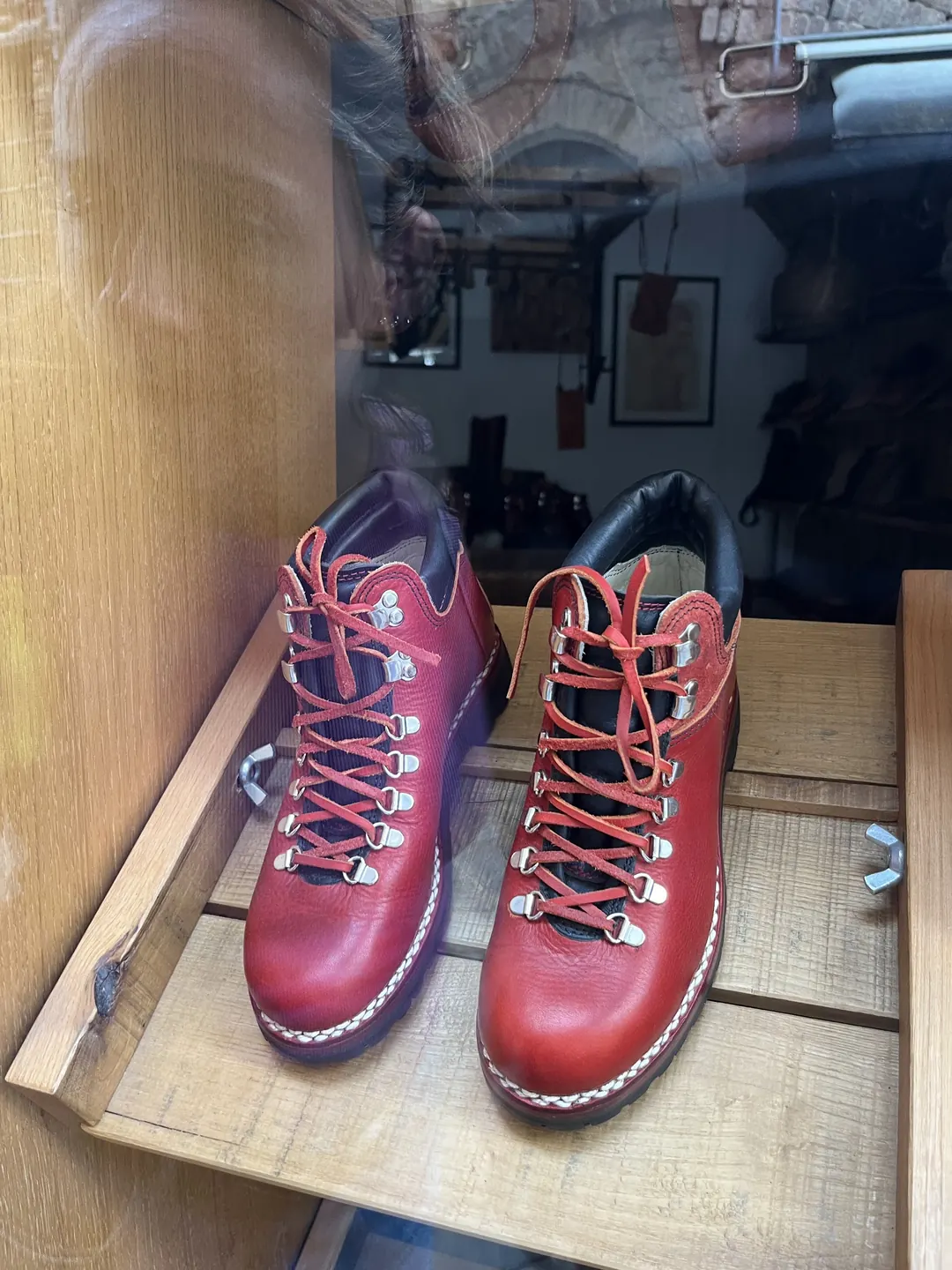
Visual examples to explore colours, surfaces and laces. The photographs do not automatically identify the exact sole type: use the codes in the previous section for that.
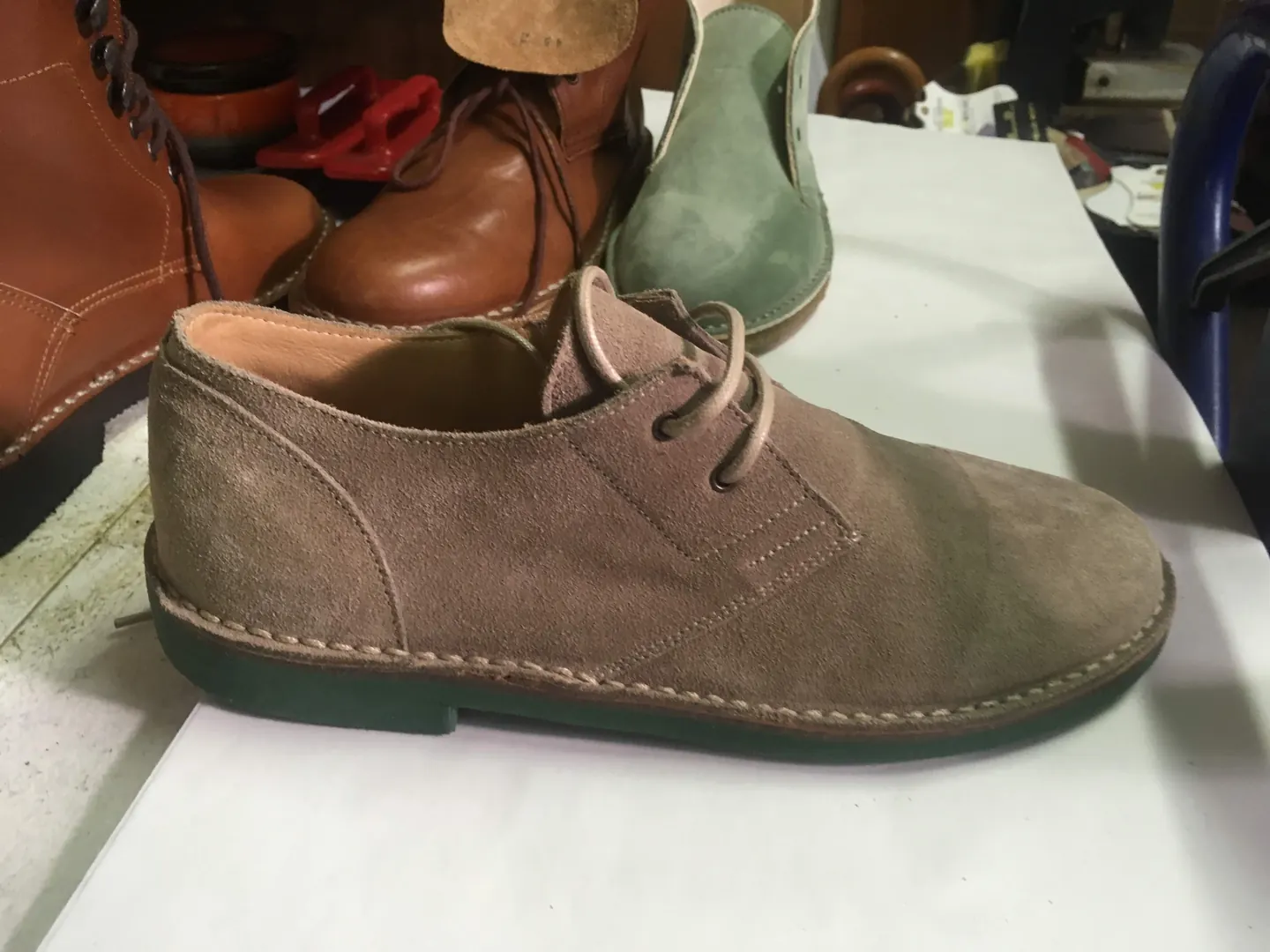
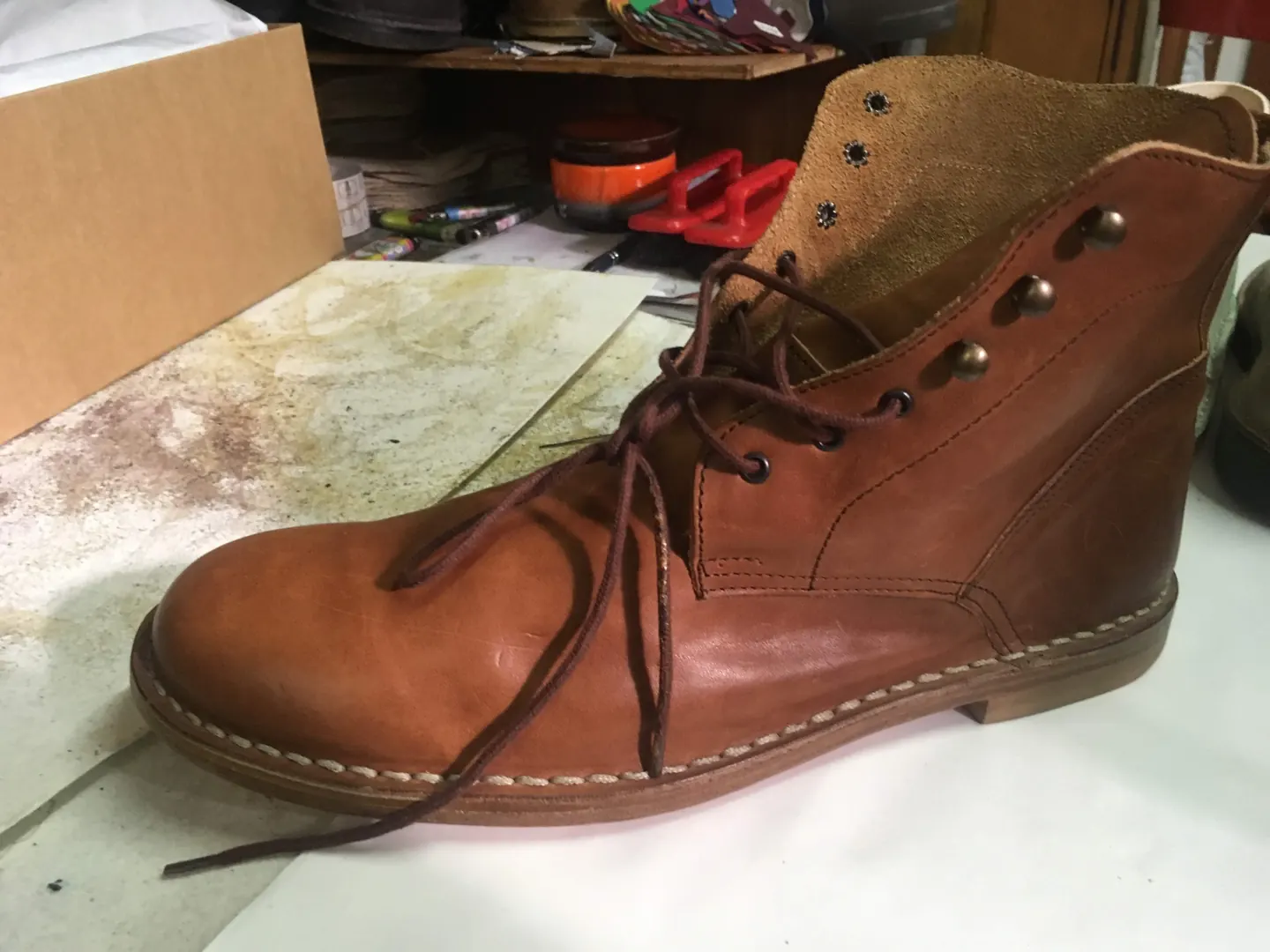
A clear request,
a precise combination.
Start with the L’artigiano Florence shoe you would like. Specify each choice and ask for confirmation before completing your order.
Ask us to check- Model and size. Send the shoe link or reference.
- Upper. Specify the material — leather or suede — and the sample colour.
- Lining. Specify unlined, calfskin, lambskin, 100% wool fabric or Casentino cloth. For Casentino, also state the colour you would like.
- Sole and laces. Specify leather, crepe rubber or a Vibram code from this guide, together with the lace colour.
- Confirmation. Check feasibility, availability, price and timing. Then enter only the agreed request in the “Personalisation” field.
An example
“I would like model [link or code], size [number], with a blue suede upper, Corallo Casentino cloth lining, red laces and a Vibram sole NO-MIE — N-OIL honey 10. Could you confirm feasibility, price and production time?”
Before confirming a customization, also ask customer service which conditions apply to changes, exchanges and returns.
This guide is dedicated to L’artigiano Florence.
Explore the brand’s models and choose your starting point.
Guide materials and sources
Photographs and sample charts supplied by the workshop, including IMG_1548 and IMG_1549. The close-up of Casentino cloth is a representative photo from GoValley, credited in the caption. Sole classification is based on “ADC_Guida_Suole_Vibram.pdf” and the workshop’s confirmation: blue TR-BLU and red TR-ROS use traditional rubber. Cloth information was checked with the Museo dell’Arte della Lana and Casentino Lane; compound properties were checked against the cited official Vibram pages. Accessed: 29 October 2026.


